
 PL
 HU
 EN
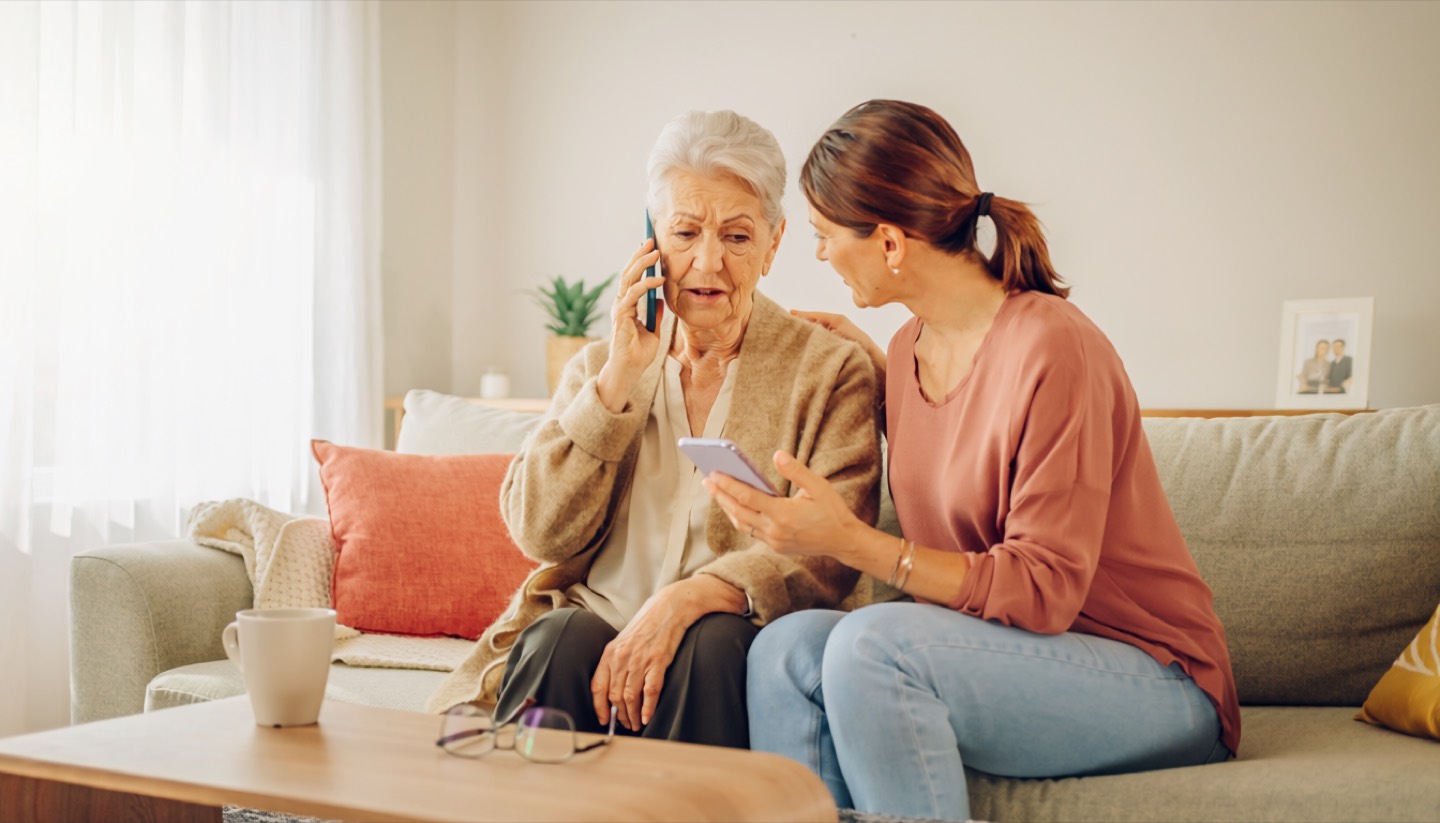
A few seconds of recording is enough
The phone rings. On the other end you hear crying, then a familiar voice: "Grandma, I had an accident... I'm okay, but I need to pay for the car repair, I need money, and please don't tell mom, she'll be devastated." The voice sounds exactly like your grandson's | same tone, same way of stressing words.
This is no longer science fiction. Modern AI tools can clone someone's voice from just a few seconds of recording | a short social media clip, a publicly posted family video, or even a fragment of a phone call captured earlier is enough.
Why this is a completely different level than the classic "grandchild scam"
The classic version of this scam relied on the victim "matching" an unfamiliar voice to their idea of their grandson, especially in an emotional state. A cloned voice removes that uncertainty | it sounds identical, so the brain has no reason to doubt what it hears.
This means old advice like "listen carefully to see if the voice matches" is no longer enough. The voice alone, even if identical, is no longer reliable proof of identity.
Elements that always accompany this scam
No matter how convincing the voice is, the pattern stays the same: strong emotion (crying, panic), urgent need for money, and a request to keep it secret from the family. These three elements | not the voice itself | should be the warning sign.
How to verify before you do anything
Hang up and call your grandson on the number you already have | the one saved in your contacts, not the one the call came from. If he doesn't answer, call his parents or another family member to verify the situation through an independent channel.
An even more effective safeguard is agreeing on a family safety password in advance | a simple word or phrase known only to the family. If the caller doesn't know it, you know immediately it's a scam, no matter how convincing the voice sounds.
How we practise this in the ODYSSEY course
In the "Recognise the scam" module you'll find a simulation of exactly this situation | you practise verifying a voice through your own contact number and setting up a family safety password.